
Every homeowner has at least one room that feels impossible to stay ahead of. Sometimes it is the kitchen that somehow becomes messy again right after cleaning. Sometimes it is the bathroom that constantly feels damp or cluttered. Other times it is the living room where blankets, crumbs, chargers, and random daily items slowly take over the space.
A lot of people assume these rooms get dirty faster simply because they are used more often. That is part of the reason, but not the entire explanation. Certain rooms create buildup faster because of how people move through them, how moisture behaves there, and how quickly small messes multiply unnoticed. Once homeowners understand why some spaces break down faster than others, cleaning those rooms becomes much less frustrating.
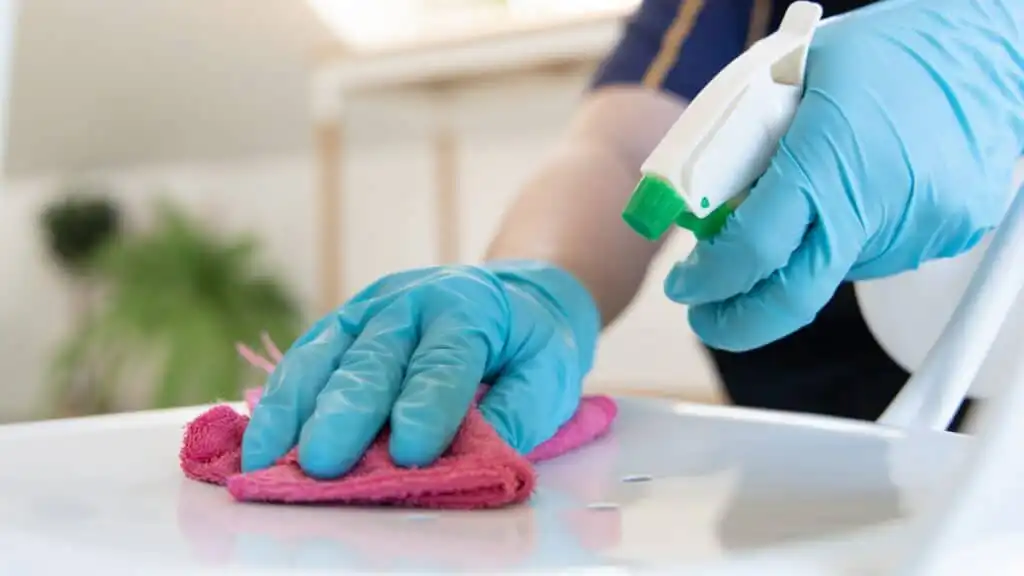
Kitchens Collect Layers of Buildup Most People Never Notice
Most people clean kitchens based on what they can see. Crumbs get wiped away. Dishes get washed. Counters get sprayed down. The hidden issue is that kitchens collect invisible buildup constantly throughout the day. Cooking oils settle onto cabinets, fine grease particles cling to walls, and moisture traps dust onto surfaces people rarely think about cleaning.
One thing most people do not realize is that steam from cooking spreads residue much farther than expected. Even boiling water releases moisture into the air that helps dust and grease stick to nearby surfaces over time. Cabinet handles are another overlooked area. They collect oils from hands repeatedly throughout the day, which slowly creates sticky buildup that attracts even more dirt.
Many kitchens feel dirty not because of major messes, but because layers of small residue quietly build up over weeks. Another common issue is appliance spacing. Crumbs, dust, and grease settle into narrow gaps beside refrigerators and ovens where airflow is limited. Those areas often become major dust traps without homeowners realizing it.
Bathrooms Stay Messy Because Moisture Changes Everything
Bathrooms create a completely different cleaning challenge because moisture changes how dirt behaves. A dry room can collect dust for days before it becomes noticeable. A humid bathroom traps particles immediately onto mirrors, grout, counters, and vents.
One thing experienced cleaners notice quickly is that airflow matters more than scrubbing strength in bathrooms. Poor ventilation allows moisture to stay trapped long after showers end, which creates the perfect environment for soap residue, mildew, and musty odors to develop. Towels contribute more to bathroom buildup than many people realize too.
Damp towels release moisture into the room for hours afterward, especially when bathrooms have weak airflow. That extra humidity quietly affects walls, grout lines, and surfaces every single day. Storage also plays a role. Bathrooms packed with products become harder to clean because bottles constantly need to be moved before surfaces can actually be wiped properly. The more crowded a counter becomes, the easier it is for residue to collect underneath everything.
Living Rooms Become “Transition Spaces” for Household Clutter
Living rooms rarely become messy because of one large problem. They become messy because they absorb unfinished activity from the rest of the house. Blankets get left behind after movie nights. Chargers stay plugged into random outlets. Water glasses sit on side tables. Packages land on the couch temporarily and never move again.
One thing most people do not realize is that living rooms often function as “pause zones.” Items stop there briefly before moving elsewhere — except many of those items never actually leave. This is why living room clutter spreads so quickly even when homeowners clean regularly. The room constantly absorbs temporary objects from other areas of the house.
Fabric surfaces make the problem harder too. Upholstered furniture traps pet hair, dust, skin particles, and odors gradually over time. Many homeowners vacuum floors consistently while forgetting that couches and fabric chairs quietly hold much of the room’s buildup. For homes struggling with buildup across multiple high-traffic rooms, starting with a more detailed cleaning reset often helps restore a cleaner baseline. Removing hidden residue and overlooked buildup makes regular upkeep significantly easier afterward.
Homes Stay Cleaner When Cleaning Matches the Room’s Purpose
One reason many cleaning routines fail is because homeowners treat every room the same way. Kitchens need buildup control. Bathrooms need moisture control. Living rooms need clutter control. When the cleaning strategy does not match the room’s actual problem, the space starts breaking down again very quickly.
Most people also clean based on appearance instead of function. A room might look tidy while hidden buildup continues accumulating in vents, fabrics, corners, or overlooked surfaces. Smaller recurring maintenance routines usually work better because they interrupt buildup before it compounds into larger cleaning projects. Homes maintained consistently tend to stay easier to manage because each room receives attention before problems spread further.
FAQ
Why do some rooms get dirty faster than others?
Different rooms create different types of buildup. Kitchens collect grease and residue, bathrooms trap moisture, and living rooms absorb clutter and fabric dust from daily activity.
Why does my kitchen still feel dirty after cleaning?
Cooking oils, steam, and hidden grease buildup often continue collecting on cabinets, walls, and appliances even after visible surfaces are wiped down.
What makes bathrooms harder to maintain?
Humidity changes how quickly residue sticks to surfaces. Poor airflow allows moisture to linger, which encourages buildup and musty odors.
Why does living room clutter spread so quickly?
Living rooms often become transition spaces where temporary items collect throughout the day. Blankets, chargers, packages, and cups slowly accumulate without people fully noticing it.
Is deep cleaning useful for high-traffic rooms?
Yes. Detailed deep cleaning removes hidden buildup from areas daily routines often overlook, including vents, upholstery, appliance gaps, and baseboards.
What helps rooms stay cleaner longer?
Cleaning methods work best when they match the room’s actual problem. Moisture control, clutter reduction, and buildup prevention all require different approaches.
Some rooms naturally break down faster because of how they are used every day. Once homeowners understand the hidden causes behind that buildup, cleaning becomes more effective and far less overwhelming. Cowtown Maids shares more practical home cleaning insights.
"*" indicates required fields