
Hard water spots are mineral deposits left when water dries on a surface. To control them, dry the places where water sits most, like faucets, shower glass and sinks, and remove buildup early with a cleaner that’s safe for each material.
Those chalky white marks show up in many homes, and they can make an otherwise clean bathroom look neglected. Cowtown Maids provides professional house cleaning in Fort Worth and nearby communities, and fixtures, tubs and sinks are part of every visit.
Let’s look at what causes these spots, where they tend to appear first, how to clean them without damaging your surfaces and which small habits keep them from coming back so quickly.
What Causes Hard Water Spots?
All tap water carries some dissolved minerals, mostly calcium and magnesium. The higher those minerals are, the “harder” the water is. When a drop of water dries on a faucet or a glass door, the water evaporates, but the minerals stay behind as a thin, cloudy film or a ring of white spots.
One drop doesn’t leave much. The problem is repetition. A shower door that gets splashed every morning and never dried collects a new layer every day. Over weeks, those layers bond together and become much harder to wipe away.
If you want to know more about your own water, Fort Worth Water publishes an annual water quality report. It lists hardness among the “secondary constituents,” which the city describes as items that don’t relate to public health but affect things like appearance. In other words, for most households, hardness shows up as a cleaning issue on faucets, glass and fixtures.
Where Hard Water Spots Build Up First
Mineral deposits form anywhere water splashes and dries on its own. In most homes, a few places show it first:
- Faucets and handles. Spots and crusty rings gather around the base of the faucet and on the aerator at the tip.
- Shower glass. Doors and panels turn cloudy because they’re splashed daily and rarely dried.
- Showerheads. Mineral buildup can collect in and around the nozzles.
- Sinks and tubs. White rings form near the drain and along the waterline.
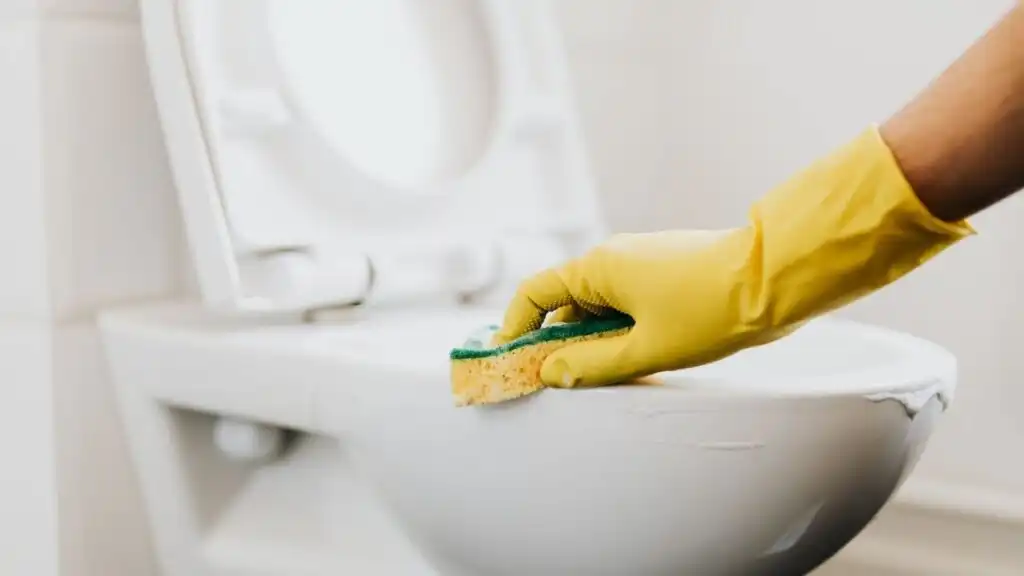
- Toilets. A ring can develop at the water line inside the bowl.
- Kitchen sinks and stainless steel. Spots stand out on dark or shiny finishes.
- Dishes and glassware. Glasses can come out of the dishwasher with a cloudy film.
Once you know where to look, you can catch buildup while it’s still a light film instead of a thick crust. The next step is choosing the right way to remove it.
How to Remove Light Hard Water Spots
For fresh spots and thin films, gentle methods usually work. Mineral deposits respond best to mildly acidic cleaners, which is why white vinegar is such a common choice for hard water buildup on many glass and chrome surfaces.
Spray or wipe the area, give the cleaner a few minutes to work, then wipe it away with a soft microfiber cloth. Rinse with clean water and dry the surface completely. That last step matters, because letting the area air-dry can start the cycle all over again.
For faucets with crusty rings, wrap a cloth soaked in vinegar around the base and let it sit for a while before wiping. For a removable showerhead or faucet aerator, soaking the part can help loosen buildup in the small openings. Always check the manufacturer’s care instructions first, especially for specialty finishes like brushed nickel, matte black or brass.
Know Which Surfaces Need Extra Care
Acidic cleaners work well on mineral buildup, but they’re not safe for every surface. Using the wrong product can cause damage that’s much harder to fix than a water spot.
Natural stone, such as marble, travertine and many granite countertops, can be etched or dulled by acidic cleaners like vinegar or lemon juice. For stone, use a cleaner made specifically for that material. The same goes for some specialty fixture finishes and grout, which can be sensitive to strong products.
Never mix cleaning products, and be especially careful never to combine vinegar or other acids with bleach. Mixing them can release harmful fumes. If you’re not sure what a surface is made of, test a small hidden spot first or check with the manufacturer.
Daily Habits That Keep Spots From Coming Back
The most effective way to deal with hard water is to stop it from drying in place. A few seconds after each use saves a lot of scrubbing later.
Keep a squeegee in the shower and use it on the glass and walls after every shower. It takes less than a minute and is one of the best ways to keep doors clear. Hang a microfiber towel near the bathroom sink and give the faucet a quick dry after brushing your teeth or washing your hands. In the kitchen, wipe the sink and faucet dry at the end of the day.
Good airflow helps too. Running the bathroom fan during and after showers helps surfaces dry faster. For dishes, a rinse aid in the dishwasher can reduce spotting on glassware. These habits won’t eliminate hard water, but they slow buildup down so routine cleaning stays easy.
When the Buildup Gets Ahead of You
Sometimes the spots win. Heavy, layered deposits that have built up for months can take repeated cleaning to loosen, and scrubbing harder with abrasive pads can scratch glass and fixtures.
If the buildup is thick, work in stages rather than trying to remove everything at once. Apply the right cleaner, let it sit, wipe and repeat over a few sessions. For very old or stubborn buildup on glass or stone, a specialist in that material may be the safest option. And if your home’s water is causing problems beyond cleaning, like clogged fixtures or appliance issues, a licensed plumber or water treatment professional can tell you whether a softener or other solution makes sense.
For everyday buildup, though, consistency is the real solution. Regular cleaning keeps mineral films from layering into something difficult.
How Regular Cleaning Helps
Hard water spots are a perfect example of a problem that’s much easier to prevent than to fix. A weekly or biweekly routine catches mineral films before they harden.
Our recurring cleaning services are available weekly, bi-weekly or monthly. Every Cowtown Maids cleaner follows a checklist that includes scrubbing tubs and showers, sanitizing sinks, polishing fixtures, cleaning mirrors and cleaning appliances with polished stainless. Regular attention to those surfaces keeps buildup from getting a head start between visits.
New recurring clients start with a deep cleaning service, which covers all visible surfaces and is our most thorough cleaning. It’s a good way to reset bathrooms and kitchens before moving to a maintenance schedule. Keep in mind that steam cleaning tile and grout isn’t included, so heavily stained grout may need a specialist.
A Simple Weekly Hard Water Routine
If you prefer to stay ahead of buildup yourself, a short weekly routine goes a long way. Once a week, spray and wipe the shower glass, then dry it. Wipe down every faucet and handle and dry them with a microfiber cloth. Clean the sinks and the tub, paying attention to the drain area and the waterline.
Once a month, check the showerhead and faucet aerators for buildup and give them a soak if needed. Look inside the toilet bowl for a forming ring. Run the dishwasher’s cleaning cycle or follow the manufacturer’s maintenance instructions.
Pairing these steps with daily drying keeps most hard water spots from ever becoming a real project. It also makes it easier to notice when something changes, like a fixture that suddenly builds up faster than usual, so you can deal with it before it spreads.
Frequently Asked Questions
What are hard water spots made of?
They’re mostly calcium and magnesium minerals left behind when water evaporates from a surface.
Is vinegar safe for all surfaces?
No. Vinegar works on many glass and chrome surfaces, but it can etch natural stone like marble and travertine. Always check the material and the manufacturer’s instructions first.
How can I keep my shower glass clear?
Use a squeegee after every shower, keep the bathroom fan running and wipe the glass weekly before buildup forms.
Does Cowtown Maids clean fixtures and showers?
Yes. Cowtown Maids checklists include scrubbing tubs and showers, sanitizing sinks and polishing fixtures.
Keep Your Fixtures Shining With Cowtown Maids
Hard water spots are a common part of homeownership, but they don’t have to take over your bathrooms and kitchen. Dry surfaces after use, clean with products that suit each material and catch buildup early, and your fixtures will stay looking their best.
Cowtown Maids is a locally owned, family-operated company serving Fort Worth, Aledo, Benbrook, Lake Worth, River Oaks, Westover Hills, Westworth Village and White Settlement. Our cleaners are background checked and thoroughly trained, we’re fully bonded and insured, and if you’re not happy, we’ll come back and re-clean. Contact us to request your quote.